How to Become an HR Consultant?
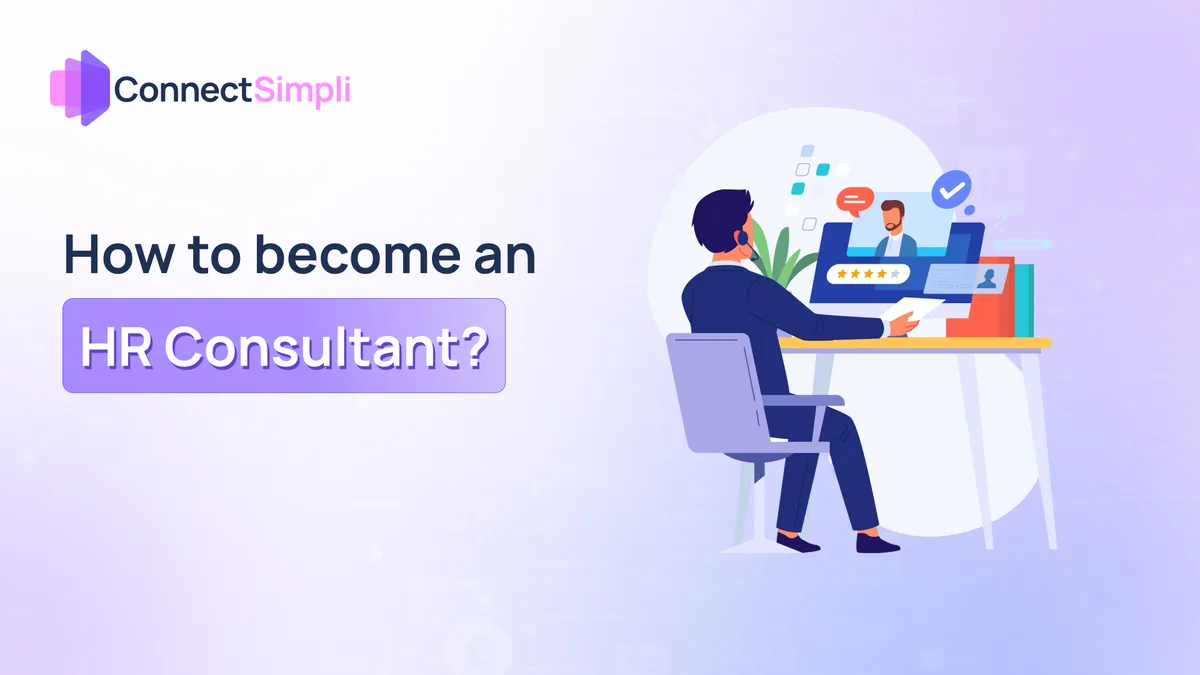
If you enjoy working with people, solving workplace problems, and helping businesses improve how they manage employees, becoming an HR consultant could be a great career choice.
HR consultants help organisations improve their human resources processes. They may advise businesses on recruitment, employee policies, performance management, payroll, workplace culture, compliance, training, and many other HR-related areas.
The good news is that there is no single path to becoming an HR consultant. However, building the right education, HR experience, professional skills, and industry knowledge can significantly improve your chances of success.
In this guide, we’ll explain how to become an HR consultant, what an HR consultant does, the skills you need, and how you can build a successful career in HR consulting.
What Does an HR Consultant Do?
An HR consultant is a human resources professional who provides expert advice and services to businesses.
Some companies have large internal HR departments. Others may not have enough HR expertise in-house. This is where an HR consultant can help.
An HR consultant may work independently, for a consulting company, or as part of a larger HR services organisation.
Their responsibilities can include:
- Developing HR policies and procedures
- Improving recruitment processes
- Creating employee onboarding systems
- Advising on employee relations
- Supporting performance management
- Developing training programmes
- Improving workplace culture
- Creating compensation and benefits strategies
- Helping businesses improve HR processes
- Supporting HR technology implementation
- Advising businesses on workforce planning
The exact role can vary depending on the consultant’s area of expertise.
For example, one HR consultant may specialise in recruitment, while another focuses on performance management or HR technology.
Step 1: Get the Right Education
The first step towards becoming an HR consultant is usually building a strong educational foundation.
Many HR consultants have degrees in subjects such as:
- Human Resource Management
- Business Administration
- Psychology
- Management
- Organisational Behaviour
- Finance or Accounting
A degree is not always the only route into HR consulting, but having relevant education can help you understand important business and people-management concepts.
You may learn about topics such as:
- Recruitment and selection
- Employment relationships
- Organisational behaviour
- Employee motivation
- Training and development
- Compensation and benefits
- Performance management
- Business strategy
The more you understand how organisations operate, the better prepared you’ll be to advise them.
Step 2: Gain Real HR Experience
Education is important, but practical experience is one of the most valuable things you can have as an HR consultant.
Before advising businesses, you should understand how HR works in real workplaces.
Many people start in roles such as:
- HR Assistant
- HR Officer
- HR Executive
- HR Coordinator
- Recruiter
- Talent Acquisition Specialist
- HR Generalist
- HR Business Partner
These roles can help you understand the daily challenges businesses face.
For example, you may gain experience managing:
- Employee records
- Recruitment
- Attendance
- Leave
- Employee onboarding
- Performance reviews
- Workplace policies
- Employee concerns
This practical knowledge can later become the foundation of your consulting expertise.
Step 3: Develop Strong HR Knowledge
A successful HR consultant needs more than general knowledge about human resources.
You should understand the major areas of HR management.
Recruitment and Hiring
You should understand how businesses:
- Create job descriptions
- Attract candidates
- Screen applicants
- Conduct interviews
- Select employees
- Improve the hiring process
Employee Onboarding
Consultants often help businesses improve how they introduce new employees to the organisation.
A strong onboarding process can include:
- Collecting employee information
- Completing required documentation
- Introducing company policies
- Assigning first-day tasks
- Providing access and equipment
Modern HR software can make these processes easier by organising onboarding workflows and employee information in one place. ConnectSimpli, for example, includes employee onboarding tools alongside employee records and other Core HR processes.
Performance Management
HR consultants may help businesses create better systems for evaluating employee performance.
This can involve:
- Setting performance goals
- Creating review cycles
- Developing rating systems
- Collecting manager feedback
- Identifying employee development opportunities
Employee Engagement
Understanding employee satisfaction and workplace culture is also valuable.
Consultants may help organisations collect employee feedback and identify areas where the employee experience can improve.
Compensation and Payroll
Depending on your area of expertise, you may also need to understand:
- Salary structures
- Employee benefits
- Allowances
- Deductions
- Payroll processes
In Pakistan, payroll professionals may also need to understand local tax and salary requirements. ConnectSimpli’s Pakistan payroll platform is designed around salary calculations, allowances, deductions and applicable FBR salary tax processes.
Step 4: Build the Skills Every HR Consultant Needs
Technical HR knowledge is important, but consulting requires strong professional skills too.
Communication Skills
HR consultants regularly communicate with:
- Business owners
- Senior managers
- HR teams
- Employees
You need to explain complicated HR topics clearly and professionally.
Problem-Solving Skills
Businesses usually hire consultants because they have a problem to solve.
For example:
- High employee turnover
- Poor onboarding
- Inefficient HR processes
- Low employee engagement
- Unclear roles and responsibilities
A good consultant identifies the problem and recommends practical solutions.
Analytical Skills
HR is increasingly data-driven.
Consultants should be able to analyse information such as:
- Employee turnover
- Attendance patterns
- Performance results
- Recruitment data
- Workforce growth
HR reporting tools can help businesses turn employee information into useful insights instead of relying entirely on spreadsheets.
Business Understanding
The best HR consultants understand that HR decisions affect the entire business.
You should understand how HR connects with:
- Productivity
- Business growth
- Employee retention
- Costs
- Company strategy
Relationship-Building Skills
Consultants need to build trust.
Businesses are more likely to follow your recommendations when they believe you understand their challenges and provide practical advice.
Step 5: Choose an HR Consulting Specialisation
You don’t have to become an expert in every area of HR.
Many successful consultants specialise in a particular area.
Popular HR consulting specialisations include:
HR Strategy
Helping businesses align their people strategy with business goals.
Recruitment Consulting
Helping companies improve hiring and talent acquisition.
Performance Management
Creating employee review systems, goals and performance frameworks.
Employee Training and Development
Helping organisations improve employee skills and professional development.
HR Technology Consulting
Helping companies choose and implement HR software.
Compensation and Benefits
Helping businesses design salary and employee benefit structures.
HR Process Improvement
Helping companies replace manual HR processes with more efficient systems.
Choosing a specialisation can make it easier to position yourself as an expert.
Step 6: Learn How HR Technology Works
Modern HR professionals need to understand technology.
Many businesses are moving away from spreadsheets, paper files and disconnected systems.
Cloud HR platforms can bring processes such as employee records, attendance, leave, payroll and performance management into one system.
For example, ConnectSimpli brings together Core HR, Payroll & Finance, and Performance & Growth tools, allowing businesses to manage multiple workforce processes from a central platform.
As an HR consultant, understanding HR technology can help you recommend better solutions to your clients.
You don’t need to become a software developer.
But you should understand how HR systems can help businesses:
- Reduce manual administration
- Improve employee data accuracy
- Automate repetitive processes
- Improve reporting
- Give employees self-service access
Step 7: Build Your Professional Network
Networking can be extremely important for HR consultants.
Build relationships with:
- HR professionals
- Business owners
- Recruiters
- Managers
- Other consultants
- Industry specialists
You can grow your network through:
- Professional events
- HR communities
- Industry conferences
- Online HR groups
A strong professional network can lead to referrals and consulting opportunities.
Step 8: Build Your Consulting Experience
Before starting your own consulting business, try to build a portfolio of real experience.
You might:
- Help a small business improve an HR process
- Create HR policies for a growing company
- Improve an employee onboarding process
- Help a company organise employee records
- Assist with implementing HR software
Document the results where possible.
For example:
“Improved the onboarding process by creating a standard workflow.”
Or:
“Reduced manual HR administration by centralising employee records.”
Real examples help demonstrate your value to future clients.
Step 9: Start Building Your Personal Brand
If you want to become an independent HR consultant, people need to know what you do.
You can build your professional reputation by sharing useful content about:
- HR best practices
- Recruitment
- Employee engagement
- Workplace culture
- Performance management
- HR technology
You might publish content on LinkedIn, create a professional website, or contribute articles to industry publications.
Focus on providing useful advice rather than simply promoting yourself.
Over time, this can help establish you as someone businesses trust.
Step 10: Consider Starting Your Own HR Consulting Business
Once you have enough experience and confidence, you may decide to work independently.
Your HR consulting services could include:
- HR audits
- Policy development
- Recruitment consulting
- Employee onboarding
- Performance management
- HR technology implementation
- Workforce planning
Start by clearly defining:
Who You Help
For example:
- Small businesses
- Startups
- Growing companies
- Large organisations
What Problems You Solve
For example:
- Manual HR processes
- Poor employee onboarding
- Lack of HR policies
- Inefficient performance reviews
What Services You Offer
A clear service offering makes it easier for potential clients to understand how you can help.
How Long Does It Take to Become an HR Consultant?
There is no fixed timeline.
Some people move into consulting after several years of HR experience, while others specialise and transition earlier.
The most important thing is building enough knowledge and practical experience to confidently advise businesses.
A typical path may look like this:
Education → Entry-Level HR Role → HR Generalist or Specialist → Senior HR Experience → HR Consultant
The more complex the consulting work you want to do, the more experience you will generally need.
Is HR Consulting a Good Career?
HR consulting can be a rewarding career for people who enjoy both business and people management.
It can offer:
- Variety
- Career flexibility
- Opportunities to specialise
- Exposure to different industries
- The opportunity to solve business problems
However, it also requires continuous learning.
Workplaces change, employee expectations change and HR technology continues to evolve.
The best HR consultants keep learning throughout their careers.
How Can HR Software Help an HR Consultant?
HR consultants often work with businesses that struggle with manual processes.
Common problems include:
- Employee data spread across spreadsheets
- Paper-based documents
- Manual attendance tracking
- Difficult payroll processes
- Limited HR reporting
A modern HR platform can help consultants recommend more structured processes.
ConnectSimpli is designed to help businesses manage employee records, attendance, leave, payroll and performance from one cloud-based platform.
This can give HR consultants and business leaders better visibility into workforce processes and reduce unnecessary administrative work.
Final Thoughts
Becoming an HR consultant takes a combination of education, practical experience, HR knowledge and strong consulting skills.
Start by building real-world HR experience. Learn how businesses manage employees. Develop strong communication and problem-solving skills. Then choose an area where you can provide genuine expertise.
The best HR consultants don’t just understand HR theory.
They understand business problems and know how to create practical solutions.