What Does an HR Manager Do?
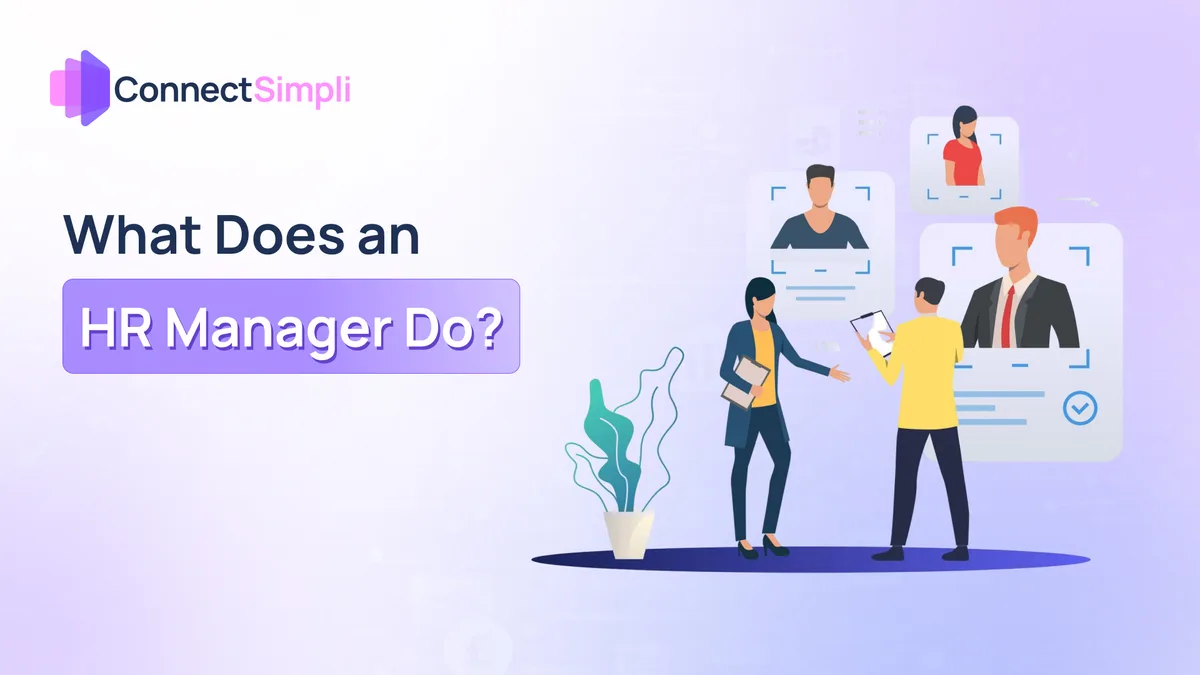
If you’ve ever wondered, “What does an HR manager do?”, the simple answer is that an HR manager helps an organisation manage its people and HR operations.
But the actual job is much broader than hiring employees.
An HR manager may be involved in recruitment, employee onboarding, workplace policies, employee relations, performance management, HR planning, and many other people-related activities.
They often work with both employees and management, helping the organisation create better processes while making sure employees have the support they need.
In smaller businesses, one HR manager may handle many different HR responsibilities. In larger organisations, HR managers may lead a team of HR professionals, with each person responsible for a specific area.
Let’s take a closer look at what an HR manager actually does.
What Is an HR Manager?
An HR manager is a professional responsible for overseeing important human resources activities within an organisation.
Their job is to make sure HR processes are organised and that employees and managers have the support they need.
Depending on the organisation, an HR manager may be responsible for:
- Recruitment
- Employee onboarding
- Employee records
- HR policies
- Attendance and leave
- Employee relations
- Performance management
- Compensation processes
- HR reporting
- Workforce planning
The exact responsibilities can vary based on the size and structure of the company.
What Does an HR Manager Do?
An HR manager’s work can be divided into several major areas.
1. Managing Recruitment
One of the most important responsibilities of an HR manager is helping the company find and hire the right people.
This can involve:
- Identifying hiring requirements
- Creating or reviewing job descriptions
- Managing recruitment processes
- Reviewing candidates
- Coordinating interviews
- Supporting hiring decisions
- Communicating with candidates
An HR manager doesn’t necessarily make every hiring decision.
Instead, they often work with department managers to make sure the recruitment process is organised and effective.
2. Managing Employee Onboarding
Hiring someone is only the beginning.
Once an employee joins the organisation, the HR manager may oversee their onboarding process.
This can include making sure new employees:
- Complete required documentation
- Receive company information
- Understand workplace policies
- Meet relevant team members
- Have the tools they need
- Understand their responsibilities
A structured Employee Onboarding process can help HR managers create a consistent experience for new employees.
3. Managing Employee Records
HR managers are often responsible for making sure employee information is properly maintained.
Employee records can include:
- Personal information
- Job information
- Employment details
- Department
- Job title
- Documents
- Attendance information
- Leave information
Keeping these records accurate is important because many other HR processes depend on them.
A central Core HR system can help HR managers keep employee information organised and accessible from one place.
4. Creating and Managing HR Policies
HR managers often help create, update, and communicate workplace policies.
These policies provide employees and managers with clear guidance about how different workplace processes should work.
Policies may cover areas such as:
- Attendance
- Leave
- Employee conduct
- Workplace behaviour
- Performance
- Company procedures
HR managers also need to make sure policies are communicated clearly and applied consistently.
5. Handling Employee Relations
Employee relations is another major part of an HR manager’s role.
Employees may approach HR when they have workplace concerns, disagreements, or questions about company policies.
An HR manager may help with:
- Workplace conflicts
- Employee complaints
- Communication problems
- Policy questions
- Workplace concerns
The goal is usually to understand the situation, consider the relevant policies and information, and help find an appropriate way forward.
This requires good communication, patience, and objectivity.
6. Managing Attendance and Leave
HR managers may also oversee employee attendance and leave processes.
This can include monitoring:
- Employee attendance
- Working hours
- Absences
- Leave requests
- Leave balances
- Work schedules
Accurate attendance and leave information can also be important for payroll.
A dedicated Time and Attendance system can help HR managers maintain more organised attendance records, while Leave Management software can simplify leave tracking and approvals.
7. Supporting Performance Management
HR managers often help organisations create structured performance management processes.
They may work with managers to establish:
- Performance review processes
- Employee goals
- Performance expectations
- Feedback processes
- Development discussions
The HR manager doesn’t necessarily evaluate every employee.
Instead, they often create the framework that allows managers and employees to have meaningful performance conversations.
A structured Performance Reviews system can help businesses organise these processes.
8. Supporting Employee Development
HR managers may also be involved in helping employees develop their skills and careers.
This can involve identifying areas where employees may need:
- Training
- New skills
- Career development
- Coaching
- Additional responsibilities
Employee development can benefit both sides.
Employees get opportunities to grow, while businesses can develop the skills they need internally.
9. Working With Payroll and Compensation
Depending on the organisation, HR managers may work closely with payroll or finance teams.
They may be involved in employee compensation information such as:
- Salary changes
- Allowances
- Deductions
- Promotions
- New hires
- Employee departures
The actual payroll processing may be handled by finance, payroll specialists, or an HR system.
A dedicated Payroll Management solution can help businesses organise salary-related processes alongside other employee information.
10. Protecting Employee Information
HR managers often have access to confidential employee information.
This makes responsible information management an important part of the role.
HR managers need to make sure employee information is only accessible to people who have an appropriate reason to access it.
This can include information related to:
- Salaries
- Personal details
- Performance
- Employee documents
- Workplace concerns
Role-based access controls can help businesses manage permissions. For example, Roles & Access in ConnectSimpli allows organisations to control access to different HR information.
11. Preparing HR Reports
HR managers often need information to understand what is happening across the workforce.
They may look at information such as:
- Employee numbers
- Attendance
- Leave
- Turnover
- Performance
- Workforce trends
HR reports can help managers and business leaders make better decisions.
Instead of relying entirely on assumptions, HR managers can use workforce information to identify patterns and areas that need attention.
12. Helping Management Make People Decisions
An HR manager isn’t only responsible for administrative tasks.
They can also act as a bridge between employees and business leadership.
For example, management may need advice about:
- Hiring
- Team structures
- Employee development
- Workplace policies
- Performance
- Workforce planning
An experienced HR manager can provide a people-focused perspective while also considering the organisation’s business goals.
What Does an HR Manager Do Every Day?
There isn’t really a typical day for every HR manager.
One day may involve interviewing candidates.
Another might involve discussing an employee concern.
Another could be spent reviewing HR reports, updating policies, meeting managers, or planning employee development.
A typical day might include:
Morning: Reviewing HR requests and urgent employee matters.
Midday: Meeting with managers or candidates.
Afternoon: Working on employee records, HR processes, policies, or reports.
However, HR managers need to be flexible because unexpected employee issues can arise at any time.
What Skills Does an HR Manager Need?
Being an HR manager requires more than knowledge of HR processes.
Some of the most important skills include:
Communication
HR managers communicate with employees, managers, candidates, and business leaders.
Clear communication is essential.
Problem Solving
HR managers frequently deal with situations that don’t have an obvious answer.
They need to understand the situation, consider different perspectives, and identify an appropriate solution.
Organisation
HR involves a lot of information and deadlines.
Strong organisation skills help HR managers keep everything on track.
Leadership
HR managers may lead HR teams and influence managers across the organisation.
Leadership helps them build trust and encourage better HR practices.
Confidentiality
HR managers regularly handle private employee information, making confidentiality extremely important.
Emotional Intelligence
Understanding how people feel and respond can help HR managers communicate more effectively.
HR Manager vs HR Executive
These titles can mean different things depending on the organisation.
Generally, an HR executive may focus more on carrying out day-to-day HR tasks.
An HR manager typically has broader responsibility for overseeing HR processes, making decisions, supporting managers, and sometimes leading an HR team.
However, job titles and responsibilities vary between companies.
How Can HR Software Help an HR Manager?
HR managers can spend a significant amount of time dealing with repetitive administrative work.
Managing employee information through spreadsheets, emails, and separate documents can become difficult as the workforce grows.
HR software can help centralise information and streamline processes.
For example, a modern HR software platform in Pakistan can help HR managers manage employee information and connected HR processes from one place.
The goal isn’t to replace the HR manager.
It is to reduce unnecessary administrative work so HR professionals can spend more time on people, planning, and decision-making.
Why Is an HR Manager Important?
A good HR manager can have a significant impact on an organisation.
They help create structure around the employee lifecycle and make sure HR processes are not left to chance.
From hiring and onboarding to performance and employee relations, HR managers help businesses build a workplace where people and processes can work effectively together.
Final Thoughts
So, what does an HR manager do?
An HR manager oversees and supports many of the processes involved in managing employees.
Their responsibilities can include recruitment, onboarding, employee records, policies, employee relations, attendance, performance, compensation, reporting, and workforce planning.
But the role isn’t simply administrative.
A good HR manager also helps employees, supports managers, solves workplace problems, and contributes to better business decisions.
As organisations grow, the role becomes even more important because structured HR processes help businesses manage their workforce more effectively.
FAQs About HR Managers
What does an HR manager do?
An HR manager oversees HR processes such as recruitment, onboarding, employee records, policies, employee relations, performance management, and workforce planning.
What are the main responsibilities of an HR manager?
Common responsibilities include hiring, onboarding, managing employee information, handling workplace concerns, managing HR policies, supporting performance, and working with payroll and management.
Is an HR manager a leadership role?
Yes. HR managers often lead HR teams and work directly with business managers and leadership.
What skills does an HR manager need?
Important skills include communication, organisation, problem solving, leadership, confidentiality, emotional intelligence, and HR knowledge.
Can HR managers use HR software?
Yes. HR software can help HR managers centralise employee information and streamline many administrative HR processes.