What Is the HR Department Responsible For?
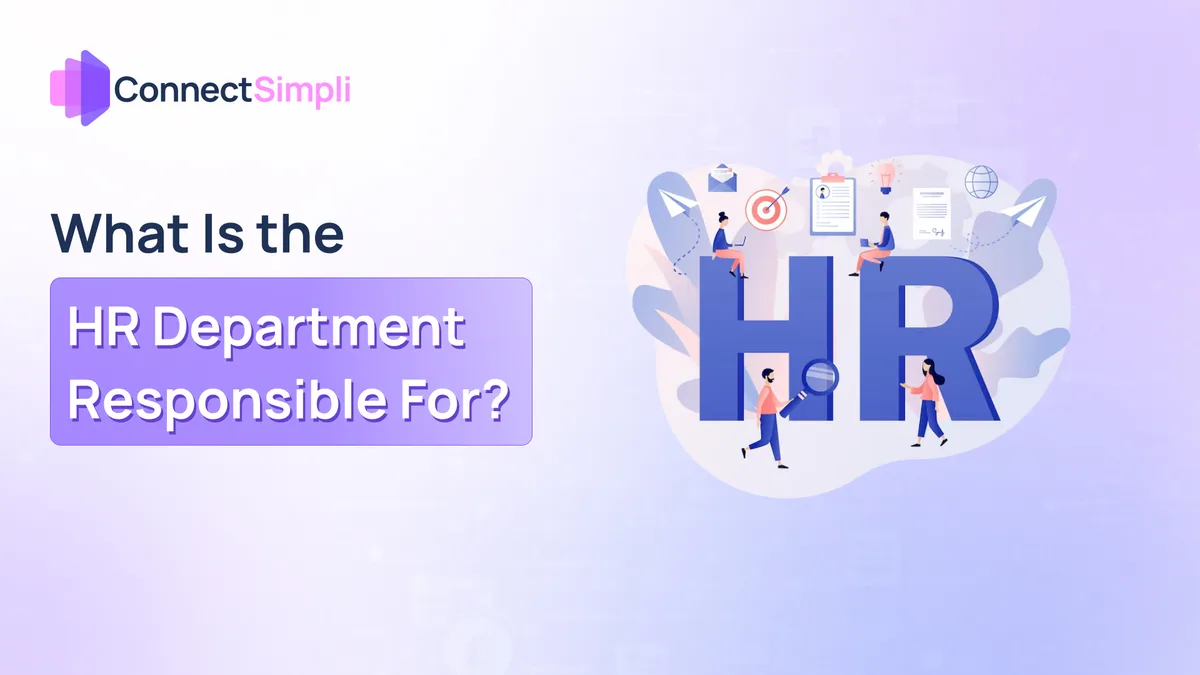
The HR department is responsible for managing many of the processes that affect employees throughout their journey with a company.
From hiring a new employee to managing their attendance, leave, performance and development, human resources plays an important role in helping businesses manage their workforce effectively.
But what exactly is the HR department responsible for?
The answer depends on the size and structure of the organisation. In a small business, one HR professional may handle almost everything. In a larger company, different HR specialists may manage specific areas.
However, most HR departments are responsible for several key functions.
Let’s look at the main responsibilities of the HR department.
1. Recruitment and Hiring
One of the most well-known responsibilities of HR is helping businesses find and hire the right employees.
The recruitment process may include:
- Identifying hiring needs
- Creating job descriptions
- Advertising job vacancies
- Reviewing applications
- Screening candidates
- Coordinating interviews
- Supporting hiring decisions
HR works closely with managers to understand what skills and experience are needed for each role.
A strong recruitment process helps businesses hire employees who are a good fit for both the job and the organisation.
2. Employee Onboarding
The HR department is usually responsible for helping new employees get started.
Employee onboarding can include:
- Collecting employee information
- Gathering required documents
- Sending offer letters
- Explaining company policies
- Completing first-day tasks
- Setting up employee records
A good onboarding experience helps new employees understand their role and feel prepared for their first day.
Digital onboarding tools can make this process more organised by creating repeatable workflows and keeping documents and tasks in one place. ConnectSimpli’s onboarding tools are designed around offer letters, document collection, e-signatures and role-specific onboarding steps.
3. Managing Employee Records
HR departments are responsible for maintaining accurate employee information.
This may include:
- Personal details
- Contact information
- Job titles
- Departments
- Employment history
- Salary information
- Employee documents
Keeping employee records organised is important because many other HR processes depend on accurate information.
Modern Core HR systems can centralise employee records, departments, roles, documents, attendance and organisational information in one place.
4. Managing Employee Attendance
Many HR departments are responsible for monitoring employee attendance and working time.
This may involve:
- Tracking attendance
- Managing working hours
- Monitoring overtime
- Managing shifts
- Recording absences
Accurate attendance information can also support payroll and workforce planning.
ConnectSimpli’s HR platform includes time and attendance, work schedules and leave management as part of its Core HR features.
5. Managing Employee Leave
HR is usually responsible for managing employee time off.
This can include:
- Annual leave
- Sick leave
- Other company leave policies
- Leave balances
- Leave requests
- Manager approvals
A clear leave management process helps employees understand what they are entitled to while helping managers maintain adequate team coverage.
Digital leave systems can reduce unnecessary emails and make leave balances easier to track.
6. Payroll and Compensation Support
Depending on the organisation, HR may work closely with payroll and finance teams to manage employee compensation.
This can include:
- Salary information
- Allowances
- Deductions
- Employee loans
- Payroll records
- Payslips
In Pakistan, payroll processes may also involve applicable FBR salary tax calculations and local salary components. ConnectSimpli’s Pakistan payroll software is built to manage salary calculations, allowances, deductions, loans, payslips and applicable FBR salary tax processes from one system.
Accurate payroll is important because employees depend on being paid correctly and on time.
7. Employee Relations
HR departments often help manage the relationship between employees and the organisation.
Employee relations can involve:
- Resolving workplace concerns
- Supporting managers
- Handling employee complaints
- Improving workplace communication
- Managing workplace conflicts
The goal is not simply to solve problems after they happen.
A good HR department also works to create policies and processes that prevent unnecessary issues.
8. Performance Management
Another important responsibility of HR is helping the business manage employee performance.
This can involve:
- Creating performance review processes
- Supporting managers with employee evaluations
- Setting performance expectations
- Collecting feedback
- Tracking development opportunities
Structured performance reviews can help employees understand their strengths and identify areas where they can improve.
HR software can support this process by organising review cycles, performance information and employee feedback.
9. Employee Training and Development
HR departments often help employees develop new skills.
This can involve:
- Identifying training needs
- Organising training programmes
- Supporting professional development
- Helping employees prepare for future roles
Employee development benefits both employees and the organisation.
Employees gain new skills, while businesses build stronger internal talent.
10. Creating and Managing HR Policies
HR is often responsible for creating and maintaining workplace policies.
Policies may cover areas such as:
- Attendance
- Leave
- Workplace behaviour
- Remote work
- Employee conduct
- Data protection
- Performance expectations
Clear policies help employees understand what is expected of them.
HR also needs to ensure employees can access relevant policies and acknowledge important updates.
Document management systems can help businesses keep policies organised and control who can access sensitive HR information. ConnectSimpli includes secure document management alongside role-based access controls for workforce information.
11. Supporting Employee Engagement
Employee engagement is about helping employees feel connected to their work and organisation.
HR may support engagement by:
- Collecting employee feedback
- Conducting surveys
- Improving communication
- Recognising employee contributions
- Identifying workplace concerns
Employee surveys can give HR teams useful insight into how employees feel about their workplace.
The most useful feedback processes don’t simply collect responses. HR should review the results and take meaningful action where possible.
12. Managing Organisational Structure
HR often helps businesses maintain a clear organisational structure.
This can include managing:
- Departments
- Teams
- Job titles
- Reporting lines
- Management structures
As companies grow, organisational information can quickly become difficult to manage.
ConnectSimpli provides tools for departments, teams, job titles and organisational structures so businesses can keep workforce information and reporting relationships organised.
13. Supporting Business Growth
Modern HR is not only about administration.
HR can also support business strategy.
For example, HR data can help leaders understand:
- Workforce growth
- Employee turnover
- Attendance trends
- Performance trends
- Staffing needs
HR reporting and analytics can turn workforce information into insights that support better business decisions.
This is why many growing companies are moving from disconnected spreadsheets to centralised HR platforms.
Why Is the HR Department Important?
The HR department is important because employees are one of the most valuable parts of any business.
Without organised HR processes, companies may struggle with:
- Employee information
- Recruitment
- Attendance
- Leave
- Payroll
- Performance
- Communication
A strong HR department helps create structure.
It gives employees clear processes while helping managers make better workforce decisions.
How Has the Role of HR Changed?
The role of HR has changed significantly.
Traditionally, HR was heavily focused on administrative tasks.
Today, HR departments are increasingly involved in:
- Workforce planning
- Employee experience
- Performance management
- People analytics
- Employee development
- HR technology
Technology is also changing how HR teams work.
Cloud HR software can automate repetitive processes and bring employee information together in one place.
ConnectSimpli, for example, brings together Core HR, Payroll & Finance, and Performance & Growth tools, helping businesses manage employee records, attendance, leave, payroll, performance and reporting from a central cloud platform.
What Does a Typical HR Department Look Like?
The structure depends on the size of the business.
Small Businesses
A small company may have:
- One HR Manager
- One HR Officer
These professionals may handle multiple responsibilities.
Growing Businesses
A growing company may have specialists such as:
- Recruiters
- HR Officers
- Payroll Specialists
- HR Managers
Large Organisations
Large businesses may have dedicated teams for:
- Recruitment
- Employee relations
- Learning and development
- Payroll
- Compensation and benefits
- Performance management
The larger the organisation becomes, the more specialised HR roles often become.
How Can HR Software Help the HR Department?
HR teams often spend significant time on repetitive administrative work.
For example:
- Updating spreadsheets
- Searching for employee documents
- Following up on leave requests
- Preparing payroll information
- Creating reports
HR software can help centralise these processes.
ConnectSimpli is a cloud-based HR and workforce management platform that helps businesses manage employee records, attendance, leave, payroll, performance and related processes from one system.
This can help HR teams spend less time on manual administration and more time supporting employees and business growth.
Final Thoughts
So, what is the HR department responsible for?
The HR department is responsible for much more than hiring employees.
Its responsibilities can include:
- Recruitment
- Employee onboarding
- Employee records
- Attendance and leave
- Payroll support
- Employee relations
- Performance management
- Training and development
- HR policies
- Employee engagement
- Organisational planning
The exact responsibilities vary from one company to another.
But the overall purpose remains the same:
To help businesses manage their people effectively while creating better processes and a stronger workplace.
As businesses grow, managing all these responsibilities manually becomes more difficult. That’s where modern HR technology can help.
FAQs
What is the main responsibility of the HR department?
The HR department is responsible for managing employee-related processes, including recruitment, onboarding, employee records, attendance, leave, performance and workplace policies.
Is payroll the responsibility of HR?
In some businesses, payroll is managed directly by HR. In others, HR works closely with finance or a dedicated payroll team.
Is recruitment part of HR?
Yes. Recruitment and hiring are among the most common responsibilities of the HR department.
Does HR handle employee complaints?
HR often helps manage employee concerns and workplace issues, although the exact process depends on company policies and management structures.
Does HR manage employee performance?
Yes. HR commonly supports performance management by creating review processes, helping managers conduct evaluations and tracking employee development.